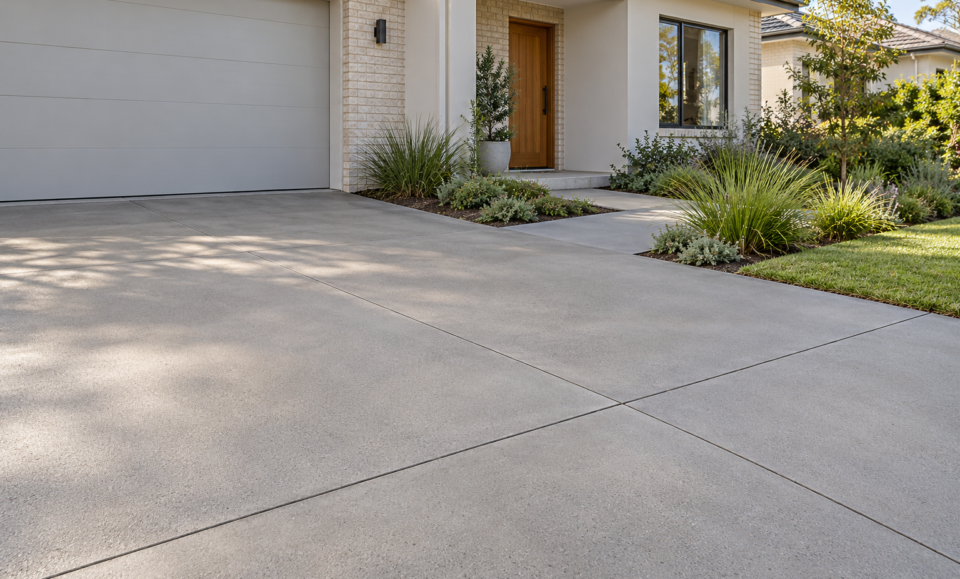
Choosing concrete paint colours can help homeowners plan a more cohesive driveway, path or patio. However, the condition of the existing surface and the way the area is used should guide the project before a shade is selected. A suitable concrete sealer also needs to match the substrate, any previous coating and the expected traffic. Taking measurements and recording problem areas makes product enquiries more useful. When researching options such as nutech pavecoat, those details provide a practical starting point for checking suitability and preparation requirements.
Assess the Surface Before Choosing a Finish
An outdoor slab can look tired for several reasons. Dirt, surface staining, worn coatings and physical damage may appear together, but they require different responses. Identifying what is actually happening helps define the work more accurately.
A useful inspection starts with the whole area. Homeowners can record peeling sections, visible cracks, persistent damp patches and places where water collects after rain. Photographs taken when the surface is dry and after wet weather can help explain these concerns to a contractor or technical adviser.
Previous treatments also matter. An old coating should not be assumed compatible with a new one simply because the colours are similar. If the original product is unknown, that uncertainty should be raised before materials are purchased.
Cracks, movement and drainage concerns deserve assessment in their own right. A decorative finish should not be expected to resolve an underlying structural or water-management problem. Establishing the limits of the coating work avoids confusing a cosmetic improvement with a repair.
Choose Colour in the Context of the Property
A shade that looks appealing on a small screen may feel quite different across a large driveway. The surrounding brickwork, render, roof, fencing and garden all influence how the finished area will look.
Rather than treating the slab as an isolated feature, homeowners can identify which existing elements should guide the palette. A warm-toned façade may suggest a different direction from cool grey cladding or dark metal fencing. The aim is a deliberate relationship between the surfaces, rather than an exact match between every material.
Physical samples are useful where available. They can be viewed beside the property in morning light, afternoon light and shade. Any trial application should follow the supplier’s instructions and use a properly prepared test area.
The level of sheen also deserves consideration. Clear, coloured and gloss products can produce different visual effects, so colour selection should include a discussion about the intended finish. Product ranges may offer both decorative colour and protective functions, but the available options vary between systems.
Match the System to Everyday Use
A driveway, covered entertaining area and garden path place different demands on a coating. Vehicle access, foot traffic, weather exposure and cleaning routines should all form part of the product enquiry.
Homeowners can make that discussion more specific by describing how the space operates. A driveway may need vehicle access restored by a particular date, while a side path may be the household’s only practical entrance. These details affect scheduling as well as product selection.
Wet areas and sloping surfaces also warrant a discussion about slip resistance. A compatible traction additive may be appropriate for some systems, but its selection and application should follow the manufacturer’s guidance. Appearance alone is not a reliable measure of grip.
Written confirmation of suitability is especially useful when an area has an existing finish or unusual exposure. It gives the owner and applicator a shared reference before work begins.
Allow Time for Preparation and Curing
Preparation should be treated as part of the project, with its own time and requirements. The applicable technical instructions should explain the cleaning, surface treatment and application steps needed for the chosen system.
A quotation is easier to assess when it identifies those tasks clearly. Homeowners can ask what preparation is included, how existing coatings will be addressed and whether any repairs sit outside the price.
Weather planning is equally important. Application limits and protection from rain or dew vary by product, so a convenient weekend is not automatically a suitable coating window.
Drying stages should also be distinguished. Touch-dry, recoat and full-cure times describe different points in the process. Published product specifications can list each separately, making it important to confirm when walking, vehicle access and washing may resume.
Keeping the technical information, colour reference and application date together makes future maintenance easier. A successful refresh begins with a sound understanding of the surface and ends with clear care instructions that suit the finished area.