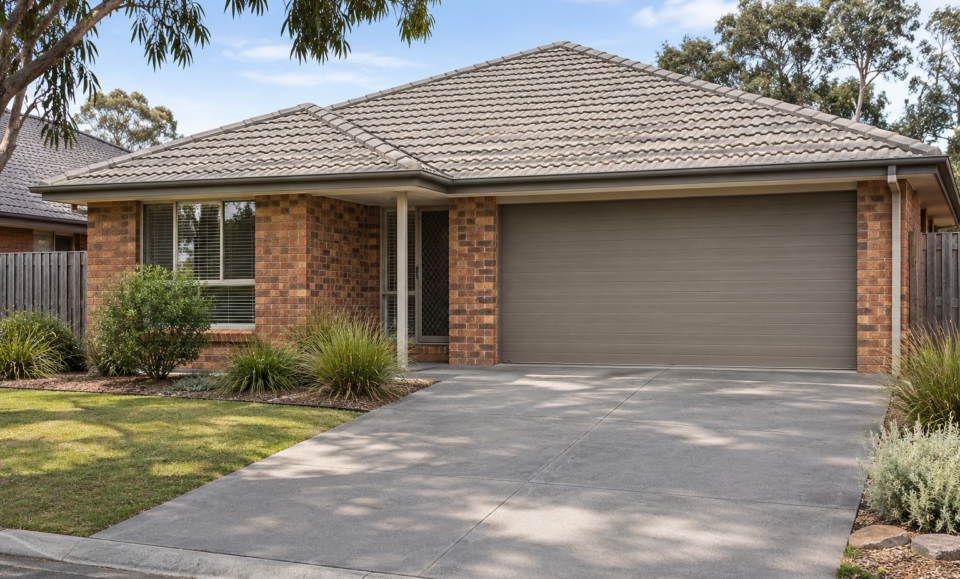
When a roof looks faded and a driveway has worn patches, tackling both jobs together gives homeowners a chance to rethink how the exterior looks and performs. The roof gets the most sun, so reflective roof paint may be part of the discussion. The first step is to find out what the roof is made of and what condition it is in. That information narrows down the choice of roof coatings and gives a contractor a clearer basis for quoting. At ground level, the main questions are how the concrete is used and whether it has already been sealed. A homeowner considering nutech pavecoat for a driveway or patio can use those details to discuss preparation and finish options with an applicator.
Check what the roof needs before choosing a colour
A roof can look tired from the street even when most of the visible wear is in the finish. A closer inspection helps establish what work belongs in the quote. On a tiled roof, a contractor can check for damaged tiles and loose ridge capping, then explain whether any repairs need to happen before cleaning and coating. The condition of the surface also helps determine which preparation and primer the job calls for. Asking for those steps in writing makes it easier to compare quotes that include different amounts of repair work.
Once the roof is suitable for recoating, homeowners can compare colours alongside their published solar absorptance values. A lower value means the surface absorbs less of the solar energy that reaches it. Light colours typically have lower values, though the formulation of the finish also matters. Asking for the figure for the exact colour is useful when comparing two greys that look similar on a sample card.
Choose a concrete finish for the way the area is used
A driveway, a covered patio and a path to the front door all put different demands on a finish. A driveway might have oil spots where a car is usually parked. A covered patio might have old sealer left under furniture, while the exposed edges have worn back. Sharing photos of both worn and intact areas gives the applicator a clearer picture of what needs to be checked before the work is priced.
The condition of the concrete matters just as much as its colour. Oil, grease and old coatings can affect how a new finish adheres. If a previous sealer is still present, the applicator can assess whether the proposed finish is compatible and what preparation the existing surface needs. Where people regularly walk across wet concrete, such as on an uncovered path, it is also worth asking what texture or slip-resistant finish is available for that area.
Colour samples are easiest to judge beside the parts of the house that will stay as they are. A driveway sample can be set against the garage door or brickwork, then viewed from the footpath and from the front entrance. On a shaded patio, viewing the sample where the finish will be applied gives a better sense of how it will sit beside the walls and outdoor furniture.
Schedule the work around access and drying times
When roof cleaning is part of the job, doing it before the driveway or patio receives its new finish can simplify the schedule. The household can then clear away any debris and coordinate the concrete work without having to plan roof access across a freshly finished area.
It also helps to ask for separate times for foot traffic and vehicle access. A household might be able to use another door for a day, while parking off the driveway may take more planning. The applicator can explain the expected return-to-use times for the chosen product and how a change in the weather would affect the schedule.
A well-planned exterior refresh starts with checking the roof and concrete, choosing finishes for each surface and allowing enough time for the work.